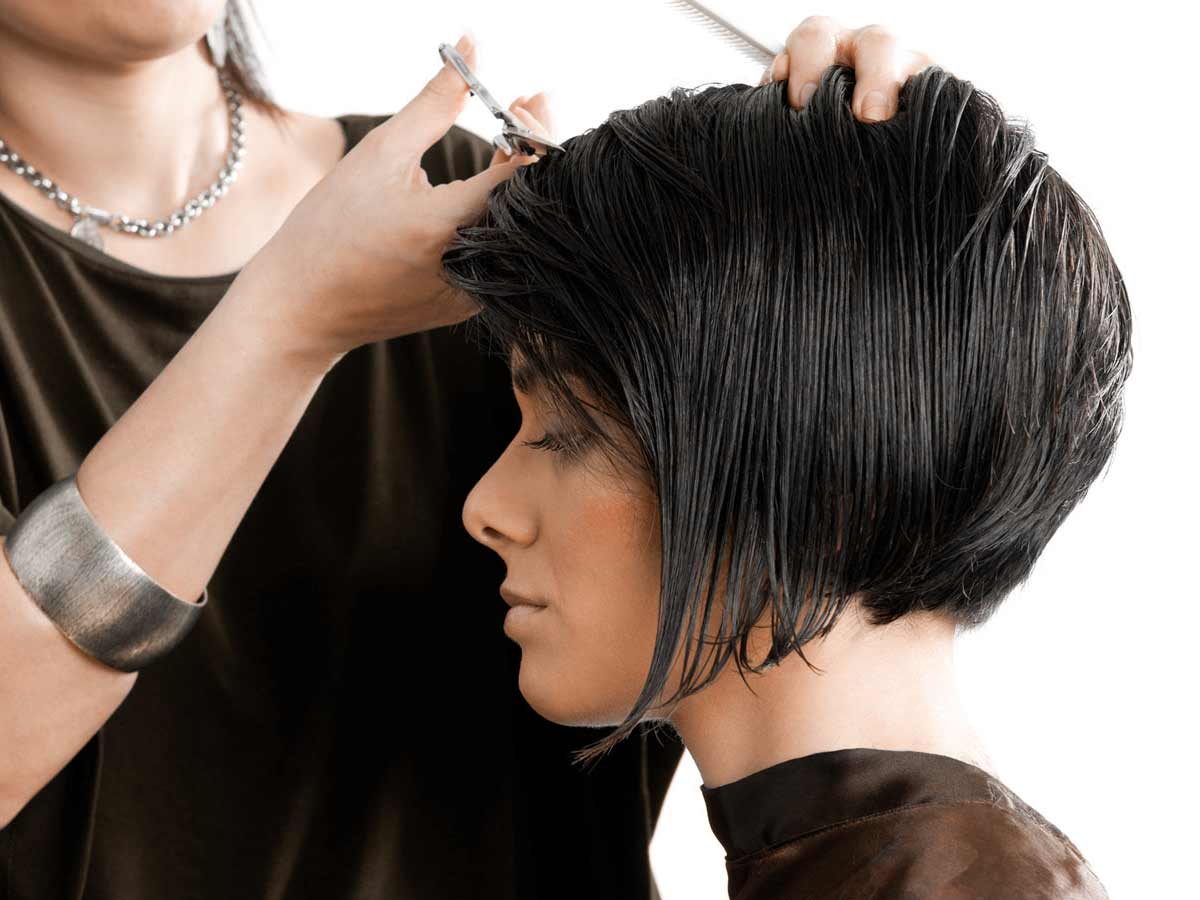
When many think of hairdressing they simply think if the cutting and dying of the hair. Although hairdressing is so much more then this. Even for just simply cutting someone hair you need great experience in how much to cut off and how to work the hair around the face and the shape of it. So to start off I’m going to be talking about cutting hair.
The two hairdressers i will be talking about in this section of my blog are Brad Mondo and Jen Atkin.
Brad Mondo
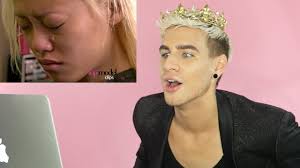
Brad Mondo is a Youtuber/ stylist who is famously known for his hairdresser reacts videos where he reacts to people cutting, dying, bleaching etc their own hair. Throughout his career of he has earned 2.2 million subscribers.
Jen Atkin
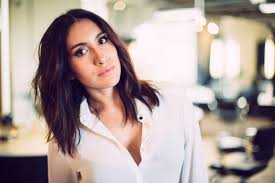
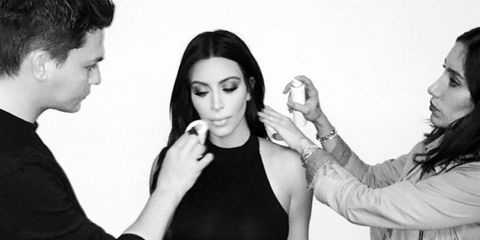
Jen Atkin is a famous hairdresser and stylist. She is considered to be one of the most influential hairdressers in the hair community, and is very well known for working with Jennifer Lopez, Gigi, Chrissy Teigen, Bella Hadid and the stars of Keeping Up with the Kardashians.
There are many things you can and can not to ensure your hair stays healthy, a few of these includes: avoiding straightening your hair a lot/use heat-protecting spray, avoid extremely dying and bleaching your hair, do hair masks etc.
Avoid straightening your hair a lot
As I have previously said in one of my posts, straightening your hair with a flat iron/hair straightener actually damages your hair as it make the hair more dry and increases the likeliness of split ends. Therefore I would strongly recommend trying not to straighten your hair everyday, or if you do, to use heat-protecting spray.
Avoid extremely dying and bleaching your hair
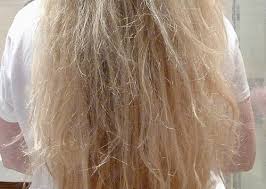
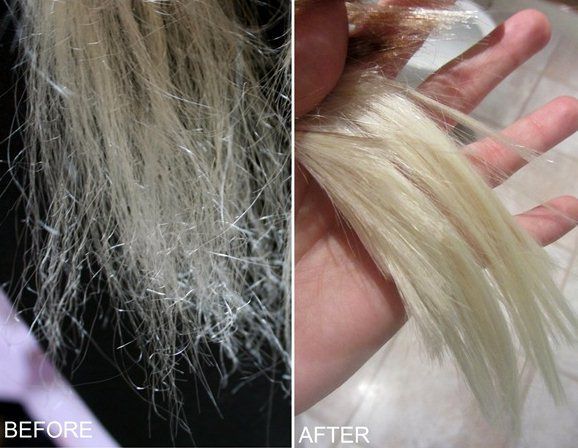
Much like straightening, extremely bleaching and dying your hair does damage it, and dry it out. The reason for this being, when you bleach your hair, it strips all of your natural colour and oils out, leaving it to be very dry and brittle.
Use hair masks
Hair masks are a very handy product to use on your hair, as it helps to deeply condition your hair and fix he damage. They are also very easy to use as all you need to do is use it as if it is conditioner. (To get the best outcome use it at least once a week).
Although many believe that you should wash your hair a lot to ensure that it is clean and healthy, that is actually very incorrect. If you were to wash your hair every single day it would actually damage it and strip it of the natural oil, therefore I would recommend washing your hair once a week so that you can keep those natural oils, but at the same time keep it clean.
Shampoo
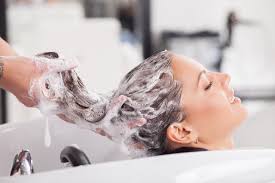
To start of the cleaning process of the hair you will need to thoroughly rinse it. Once doing this you need to get about a ten cent coin amount of shampoo and apply it to the roots of the hair. after this some like to wash it over again, just to ensure that they have fully gotten rid of the dirt.
Conditioner
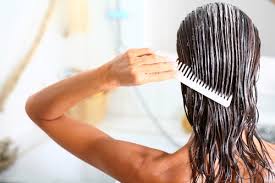
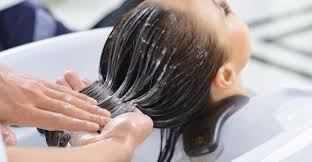
Once you have fully rinsed out the shampoo, you then need to squeeze out the rest of the excess water so you can apply the conditioner. When applying the conditioner it is important to avoid the roots as they produce enough oils by themselves, so if u were to add conditioner to them your hair will most likely get oily quicker, and become less voluminous. Once you have put the conditioner in you should comb through it (still having the conditioner in) so it is smooth, and then wait a couple of minute for it to soak in. you then would rinse it out with warm water and then towel dry it.
Tip: If you are wanting your hair to grow fast, i would recommend rinsing it with cold water after you wash it, as it helps it to grow, and if you have coloured hair, will help the colour stay in too.
There are so many ways of styling hair, although in this section of my blog i will just be talking about the basics such as blow drying, straightening, curling and some other ways to style hair.
Blow Drying
Before starting to blow dry your hair, it is important to towel dry it as it will make the process a lot easier for you to dry it with the blow dryer and ensure less (although not none) damage to the hair.
Once you do this you should of course plug the hair dryer in and turn it on. In most hair dryers you can have the option to make the air cold or hot, often it is better for your hair to us the hot air as the cold hair will make your hair more damaged and brittle and make it break easier.
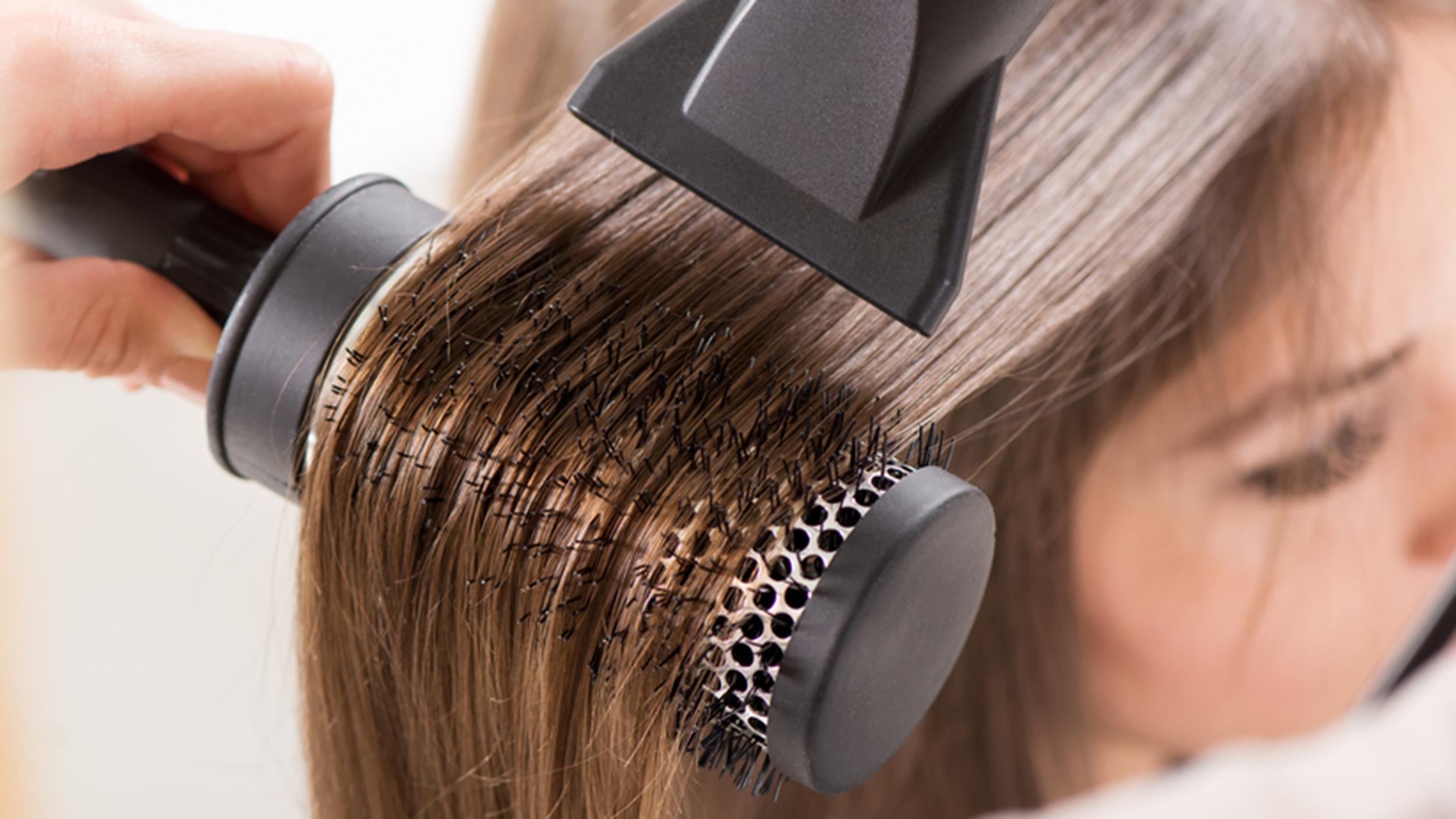
To start off I would recommend doing a quick once over the entire head of hair so it is easier to dry the rest in sections and get a better outcome. Then I would section the hair off so that you are able to dry as much hair as possible and have most of it dry instead of just parts of it. Once you have done this you should get a round brush, the reason most hairdressers use this type of brush is because it helps to collect the heat from the hair dryer meaning that the hair will dry faster. You would then put the hair brush under the section of hair you are drying and twirl it in your hand whilst brushing through and hovering the hair dryer directly over.
To get a straighter outcome, you would put the hair dryer very close to the brush with hair place on it so that it drys quicker and has a straighter texture, although if you want just your normal hair texture than you would just roughly wave that hair dryer over the hair, and you would maybe not even have to use the round brush at all (although you would have to brush through the hair first with a normal brush to ensure that there are no knots and to make the job easier). Also if you wanted a very straight, neat look, you would straighten the hair with a hair straightener which is pretty easy and self explanatory to do.
When colouring the hair each hairdresser will have their own techniques on how they do it. Usually it will depend on the colour of the subjects hair and the colour that they are dying it. For example if someone has really dark hair the hairdresser will have to heavily bleach the hair so the the colour that they want to put in sticks. In this section of my blog i will be talking about the techniques to colouring someones hair, the bleaching of hair and the colouring in ways of what colour may or may not go well together.
Techniques of colouring/bleaching
When it comes to colouring hair there are many different techniques that can be used. Often the technique used will depend on what colour is being done and how much hair is being coloured. For instance, if you are colouring someone who has long dark hair/ virgin hair (has never been dyed before), than firstly you would need to bleach it (I will explain the bleaching more thoroughly in the bleaching section) and then you would add the colour to that.
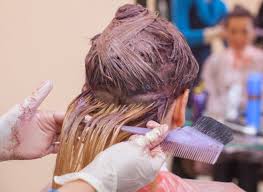
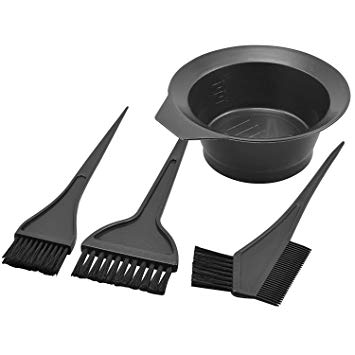
When it comes to techniques in the way of what tools are use and how the dye is applied, a brush is usually used to apply the colour or bleach onto the hair. Normally the hairdresser will put whatever product they are using into a ball first so it is easier to scoop out with the hair colouring brush and then be applied to the hair in soft brushing motions.
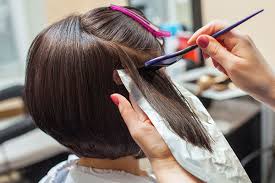
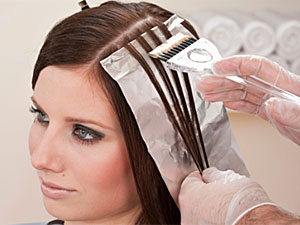
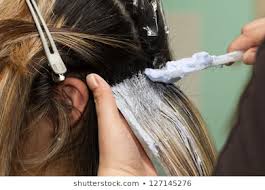
The way in which the colour/bleach is applied will often depend on the hairstylist and what technique works best for them, although what is most commonly done, is the hairdresser will collect a smallish portion of the hair and flatten that out in their hand, to then gently apply the chosen colour or bleach to the hair with the hair colouring brush. (if the hairdresser wants to separate the dyed hair from the rest of the hair on the head for reasons such as, having multiple colours in the hair, or doing highlights, than a foil, glad rap or crepe paper is used so that the colours do not blend together pr spread to other parts of hair).
NOTE: If the hairdresser wants to separate the dyed hair from the rest of the hair on the head for reasons such as, having multiple colours in the hair, or doing highlights, than a foil, glad rap or crepe paper is used so that the colours do not blend together pr spread to other parts of hair.
Do’s and Don’ts of Bleaching
When bleaching someones hair there are a few things to remember. Firstly you would NEVER, when bleaching virgin hair, start by bleaching the roots. The reason for this being, because the roots process the fastest, because of the heat from the skull, this means that if you DO bleach them first than there is a very high chance that your hair will fall out. So, when bleaching someones hair, unless you are touching up already bleached blond hair, you should always start from the bottom and work your way up.
Bleaching
A lot of the time when a hairdresser bleaches someones hair, they will rap it/cover it in foil. By doing this it helps the hair process faster, because it assures that the heat from the hair is kept in. Another reason a hair dresser will use foil when dying someones hair is when they are doing a foil highlight. In this case it is used to separate the hair that is to be lightened from the hair that is to stay its original colour.
Different Types of Dying
There are many different type of dying. A few of these include:
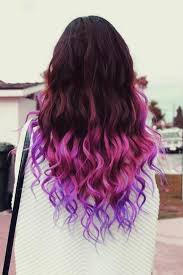
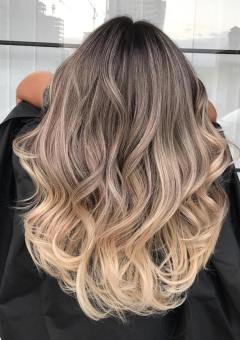
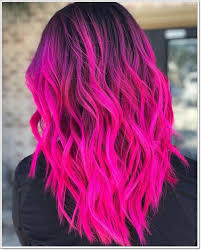
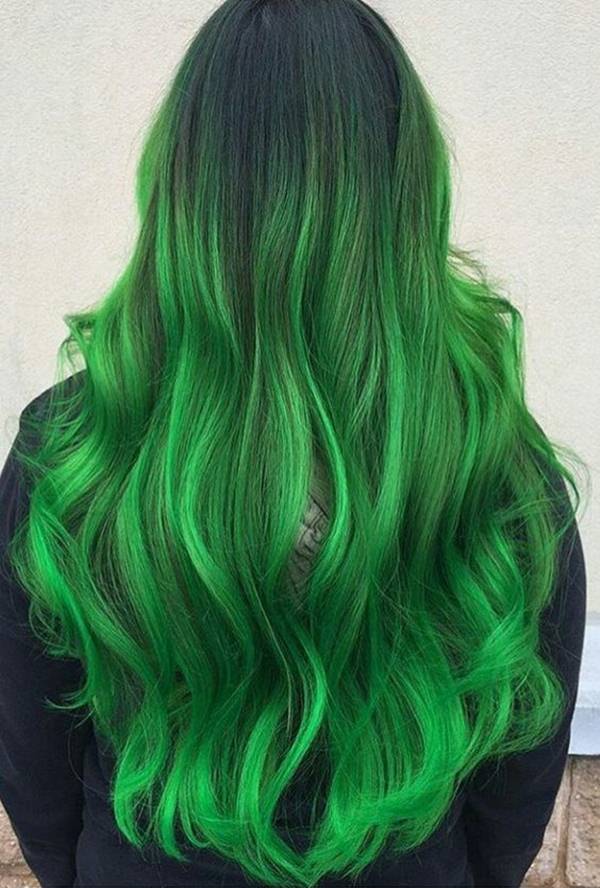
Ombre- this is where your natural hair colour will be at the rots of your hair and then it will blend into a different chosen colour (sometimes if a more dramatic effect wants to be shown then the hair will blend through multiple colours)
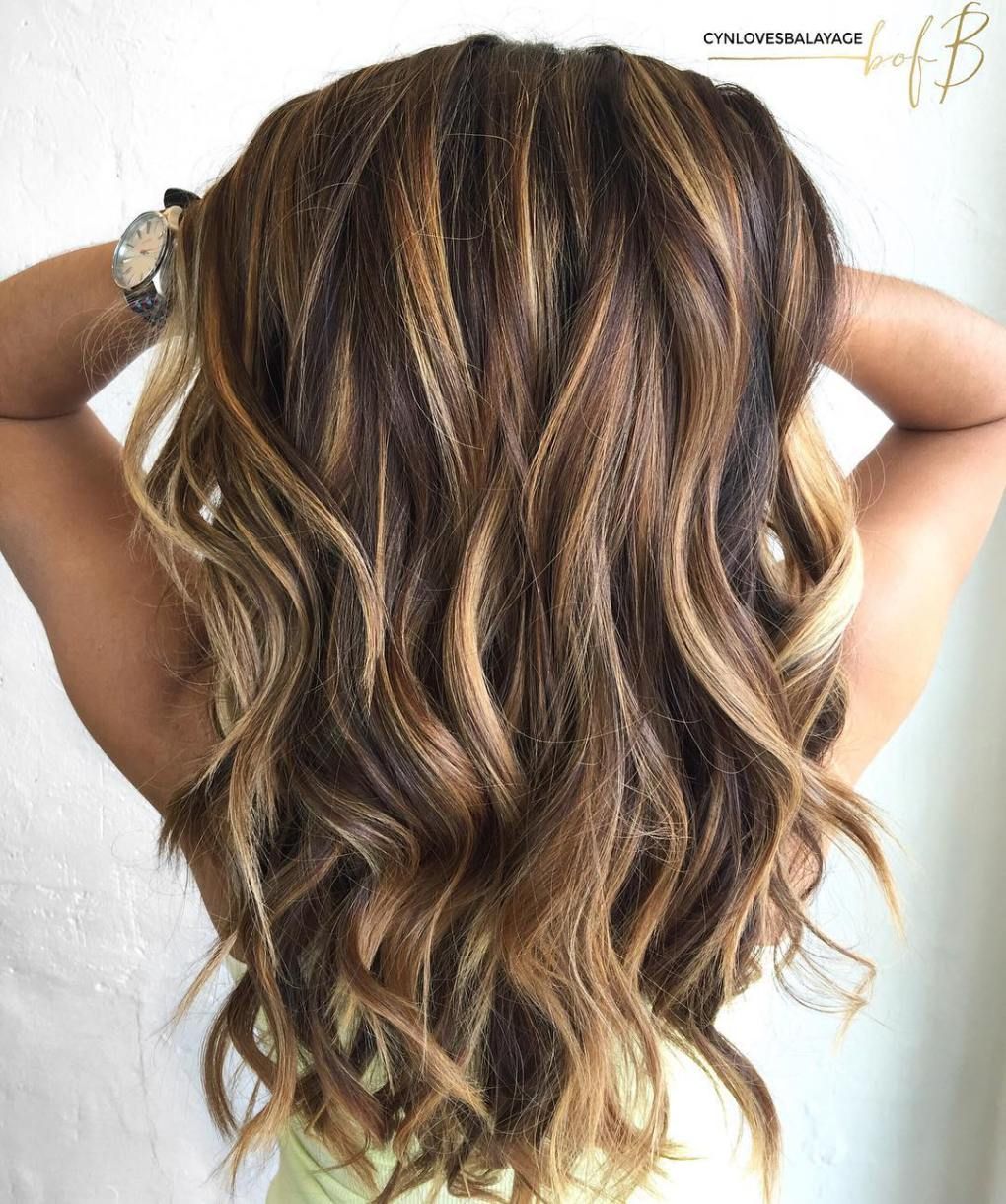
Balayage- this is a different technique on highlighting the hair where it is done free hand and the lighening dye is applied onto the tips of the hair to give it a more natural gradient look. For this hair technique there is no foil needed. (It is very similar to an ombre)
Colour ombre
Natural Ombre
Balayage
Reverse balayage- the balayage technique can also be used to make a different look, although in this look, instead of the roots starting at a darker colour and then going into light, it starts from the lightest colour and then fades to the darkest.
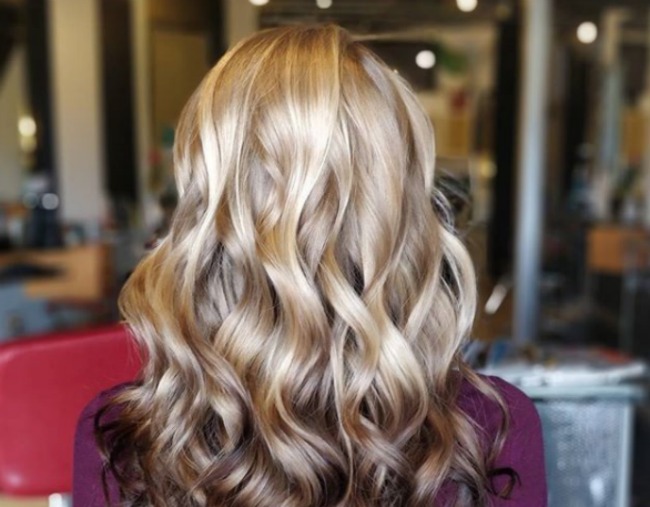
Highlights- this technique is where a lighter colour is put onto the hair to add more dimension and put more focus on a hairstyle or curl.
Reverse Balayage
Highlights
Colour Choice
When choosing what colour or colours you want to dye your hair, it does come down to personal preference and what colours you like. Although there are a few things you should keep in mind. For instance, there are some colours that once you have put in your hair, will stick to/stain your hair and take a very long time to finally get out (and at this point you would probably still have a bit of the colour still left in). These colours often include reds, pinks and greens. Of course it does come down to how much you put in and what shade you use, but generally these are the colours I would steer clear from if you are wanting to go back to a platinum blonde afterwards.
When it comes to hair colouring any colours can really go well together so long as you pick the right shade. For instance you wouldn’t put a fluorescent yellow with a pastel pink, because that would mean you would have one really bright colour and one really soft colour. although if you had a pastel pink and pastel yellow together, blended well then it would work.
Now you could do a whole year (maybe more) just studying the cutting of hair, although in this section of my blog I will just be talking about the basics of cutting hair including: the tools that are commonly uses and the techniques.
Tools
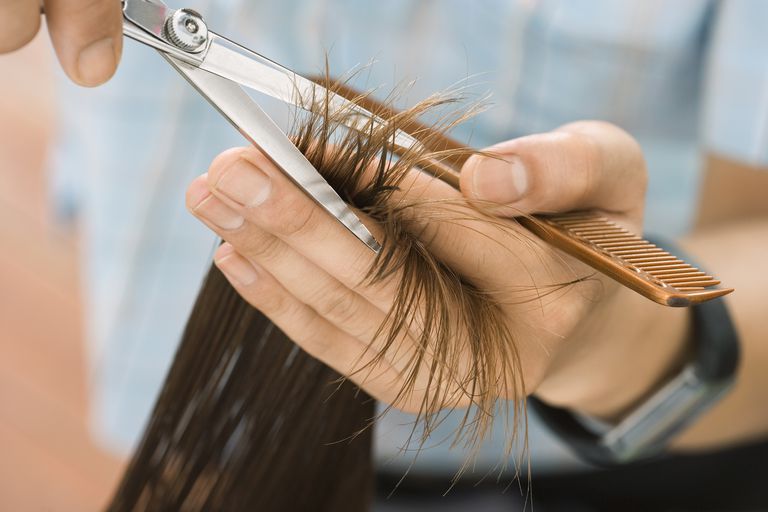
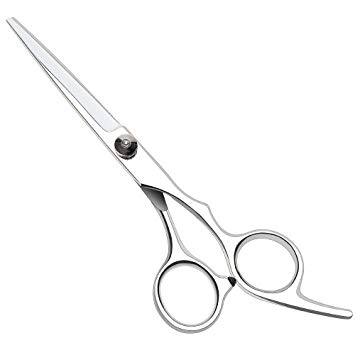
There are many different types of tools that can be used when cutting hair. But the most popular/commonly used cutting tool is the shears. These scissors have been specially designed to fit the hair dressers hand, and they have a “tang” on them for the pinky finger of the stylist to rest on to help give them more control. They are also made to be really sharp to avoid any folding or bending of the hair.
Shear Scissors
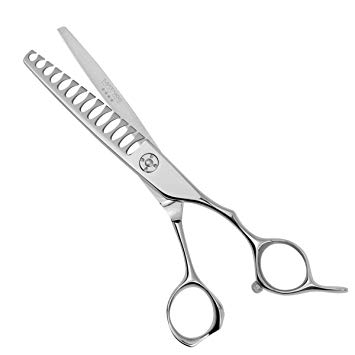
Texturising Scissors
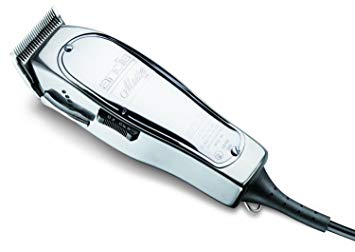
Hair Clippers
Some other tools include: texturising scissors (for thinning, texturising or softening the hair), razor comb (used to get a more straight cut) and hair clippers (used to cut short hair and create things such as fades).
Techniques
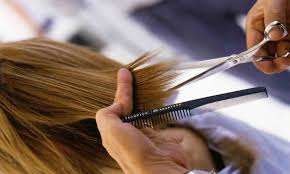
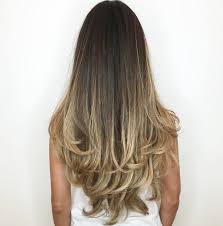
There are so many techniques used to cut hair such as layering, over directing, blunt cutting, point cutting, thinning (and the list goes on). The technique used will usually depend on firstly the style that the person wants in their hir, and secondly the hair stylist and what works best for them. For example if the client wants a more layered look then the hair stylist could use many different techniques. What is usually done is the stylist will hold the hair hat a 90 degree straight angle from where the hair’s roots are, and cut it in a uniform length around the whole head. Of course there are many other techniques used for layering but it would take many pages to explain all of them.
Here is an example of layered hair. As you can see in this image the top layer is obviously shorter than the bottom layer, which creates quite a voluminous look.





 Anonymous' Blog